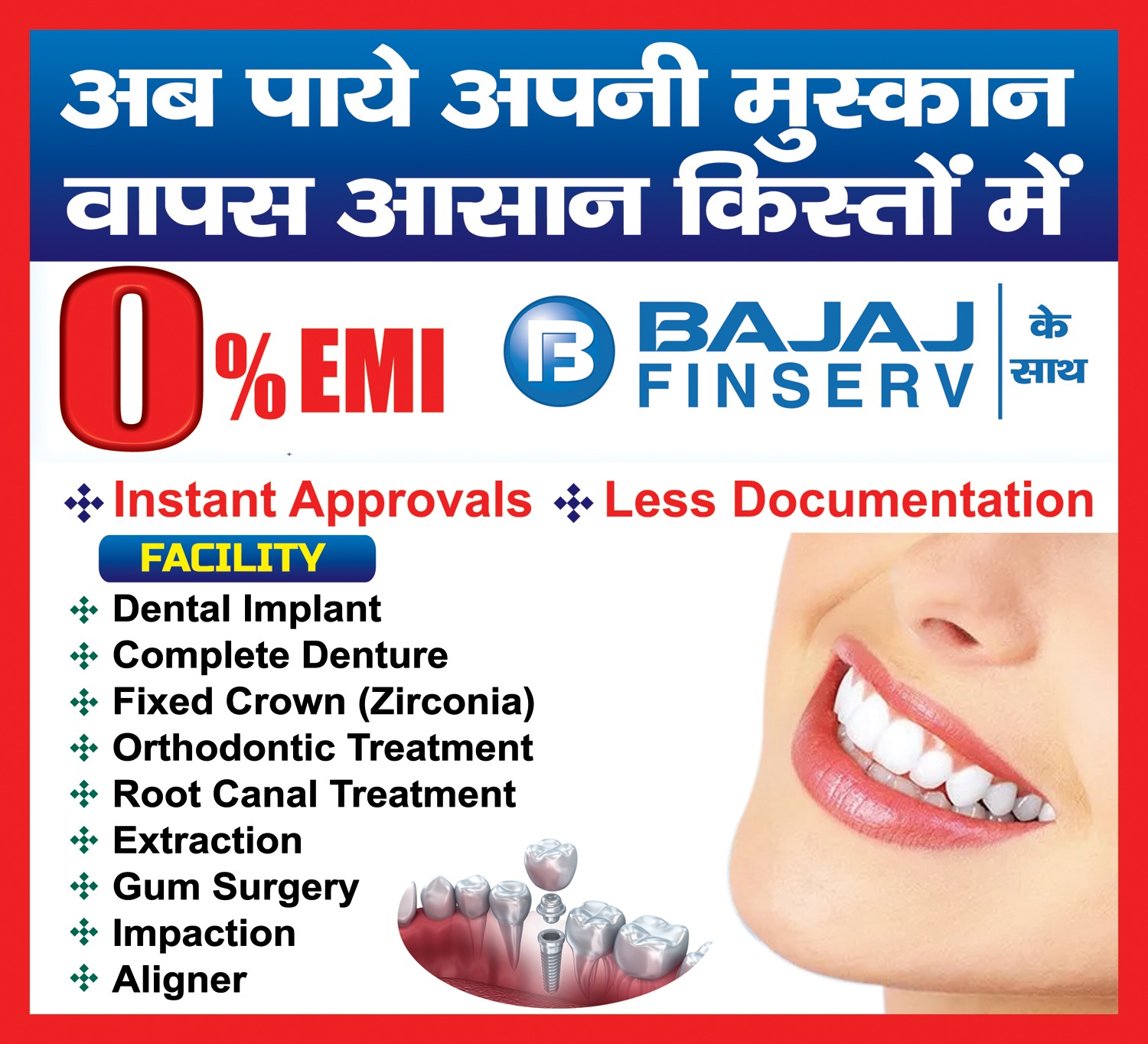
Implants

What is the Cost of a Dental Implant in Bhagalpur?

What is the Cost of a Dental Implant in Bhagalpur?

If you have lost a tooth due to decay, gum disease, or an accident, a dental implant is one of the most reliable and long-lasting ways to restore your smile. One of the first questions patients ask is:

How much does a dental implant cost in Bhagalpur?”

The answer depends on several factors, including the implant brand, bone condition, type of crown, and whether any additional procedures are required.

Average Dental Implant Cost in Bhagalpur

The approximate cost of a single dental implant in Bhagalpur generally ranges from:

Treatment Approximate Cost
Single Dental Implant ₹25,000 – ₹60,000
Implant with Zirconia Crown ₹35,000 – ₹70,000
Bone Grafting (if required) ₹5,000 – ₹25,000
Sinus Lift (if required) ₹10,000 – ₹40,000
Full Mouth Dental Implants ₹2.5 Lakhs – ₹6 Lakhs+

These ranges are broadly consistent with current implant pricing across India, although the exact fee depends on the individual case and clinic.


What Does the Implant Cost Include?

A complete implant treatment usually includes:

  • Consultation and treatment planning
  • Digital X-rays or CBCT scan
  • Titanium implant fixture
  • Implant surgery
  • Healing period
  • Abutment
  • Ceramic or Zirconia crown
  • Follow-up visits

Always ask whether the quoted price includes the crown and abutment, as some clinics quote only the implant fixture.


What Affects Dental Implant Cost?

1. Implant Brand

Internationally recognized implant systems generally cost more because they have extensive long-term clinical research and proven success rates.

2. Bone Quality

Patients with insufficient jawbone may require bone grafting before implant placement.

3. Crown Material

  • Metal Ceramic Crown
  • Zirconia Crown (more aesthetic and durable)

4. Dentist’s Experience

Treatment performed by an experienced implant dentist or periodontist often provides better long-term outcomes.

5. Technology Used

Clinics using CBCT imaging, digital implant planning, and guided implant surgery may charge more while improving precision and safety.


Is a Dental Implant Worth the Cost?

Yes.

Unlike removable dentures or traditional bridges, dental implants:

  • Replace both the root and crown
  • Preserve jawbone
  • Prevent bone loss
  • Do not damage adjacent teeth
  • Look and function like natural teeth
  • Can last for decades with proper care

Although implants have a higher upfront cost than bridges, they often provide better long-term value because they preserve bone and typically require fewer replacements over time.


Why Are Some Dental Implants Cheaper?

Very low-cost implant packages may involve:

  • Lower-cost implant systems
  • Separate charges for the crown
  • Additional charges for scans
  • No long-term maintenance
  • Less advanced planning technology

Instead of choosing solely based on price, consider:

  • Implant brand
  • Sterilization standards
  • Dentist’s qualifications
  • Warranty policy
  • Patient reviews
  • Long-term follow-up care

Frequently Asked Questions

Does implant placement hurt?

The procedure is performed under local anesthesia. Most patients report only mild discomfort for a few days after surgery.

How long do dental implants last?

With proper oral hygiene and regular dental check-ups, implants can last 20 years or longer.

How long does treatment take?

Depending on bone quality, treatment usually takes between 3 and 6 months. In selected cases, immediate implant placement may be possible.

Can everyone get dental implants?

Most healthy adults are suitable candidates. Your dentist will evaluate your gums, jawbone, and medical history before recommending treatment.


Final Thoughts

A dental implant is an investment in your oral health, confidence, and quality of life. While the cost of a dental implant in Bhagalpur varies based on individual needs, choosing an experienced implant specialist and a quality implant system is often more important than choosing the lowest price.

If you are considering dental implants, schedule a consultation to receive a personalized treatment plan and cost estimate based on your clinical condition.

Implants

Best Dental Implant Clinic in Bhagalpur | Dental Implant Specialist | Sharda Dental Care

Best Dental Implant Clinic in Bhagalpur – Complete Guide to Dental Implants

A missing tooth is more than just a cosmetic concern. It can affect your smile, chewing ability, speech, facial appearance, and even your overall oral health. If you are searching for the best dental implant clinic in Bhagalpur, you deserve treatment that combines advanced technology, clinical expertise, and personalized care.

At Sharda Dental Care, Bhagalpur, we provide modern dental implant solutions that restore missing teeth with a natural appearance and long-lasting function. Our implant treatments are performed by an MDS Periodontist & Implant Specialist, ensuring precise planning and evidence-based care.


What is a Dental Implant?

A dental implant is a titanium root that is surgically placed into the jawbone to replace a missing tooth. Over the next few months, the implant naturally bonds with the bone through a process called osseointegration. Once healing is complete, a customized crown is attached to the implant, giving you a tooth that looks and functions like a natural one.

Dental implants are considered the gold standard for replacing missing teeth because they are fixed, durable, and help preserve the jawbone.


Why Choose Dental Implants?

Dental implants offer numerous benefits over removable dentures and traditional bridges.

Natural Appearance

Implants closely resemble natural teeth in shape, color, and function.

Comfortable Eating

Enjoy your favorite foods without worrying about slipping dentures.

Better Speech

Fixed implants help improve pronunciation and confidence while speaking.

Prevent Bone Loss

Unlike missing teeth, implants stimulate the jawbone and help maintain facial structure.

Long-Term Solution

With proper care, dental implants can last for many years.

Protect Healthy Teeth

Unlike bridges, implants do not require grinding down adjacent healthy teeth.


Signs You May Need Dental Implants

You may be a suitable candidate if you have:

  • One missing tooth
  • Multiple missing teeth
  • Loose dentures
  • Broken or severely damaged teeth
  • Difficulty chewing food
  • Bone loss after tooth extraction

A clinical examination and digital imaging are essential to determine your eligibility.


Types of Dental Implant Treatments

At Sharda Dental Care, treatment options include:

Single Tooth Implant

An ideal solution for replacing one missing tooth without affecting neighboring teeth.

Multiple Teeth Implants

Suitable when several teeth are missing.

Implant-Supported Bridge

Provides excellent stability while replacing multiple missing teeth.

Full Mouth Dental Implants

Ideal for patients with complete tooth loss using advanced implant-supported prostheses.

Immediate Dental Implants

In selected cases, implants may be placed immediately after tooth extraction.


Our Dental Implant Procedure

Step 1

Comprehensive Consultation

Step 2

Digital X-rays and CBCT Scan

Step 3

Personalized Treatment Planning

Step 4

Implant Placement under Local Anaesthesia

Step 5

Healing and Bone Integration

Step 6

Permanent Crown Placement

Every treatment plan is customized according to the patient’s oral health, bone quality, and aesthetic expectations.


Why Choose Sharda Dental Care?

Patients choose us because we focus on quality, safety, and long-term success.

Our strengths include:

  • MDS Periodontist & Implant Specialist
  • Advanced Digital Diagnosis
  • Strict Sterilization Protocols
  • Evidence-Based Implant Dentistry
  • Personalized Treatment Planning
  • Comfortable Patient Experience
  • Long-Term Maintenance Program
  • Transparent Treatment Discussion

Are Dental Implants Painful?

This is one of the most common questions.

The implant procedure is performed under local anaesthesia, making it virtually painless. Most patients experience only mild discomfort after surgery, which is usually controlled with prescribed medications.


How Long Do Dental Implants Last?

Dental implants have excellent long-term success rates. With good oral hygiene, regular dental check-ups, and professional cleaning, implants can serve you for many years.


What is the Cost of Dental Implants in Bhagalpur?

The cost depends on several factors:

  • Number of implants
  • Implant brand
  • Bone grafting requirement
  • Type of crown
  • Overall treatment complexity

A detailed consultation is necessary before providing an exact estimate because every patient has unique clinical needs.


Aftercare Tips

To ensure long-lasting results:

  • Brush twice daily.
  • Floss around implants regularly.
  • Avoid tobacco products.
  • Attend regular dental check-ups.
  • Follow all post-operative instructions.

Frequently Asked Questions

Can diabetic patients receive implants?

Yes, provided diabetes is well controlled and the patient is medically fit.

How long does treatment take?

Treatment duration varies depending on healing and whether additional procedures are required.

Will implants look natural?

Yes. Custom-made crowns are designed to match your natural teeth.

Is there an age limit?

Adults with adequate bone support can usually receive implants after proper evaluation.


Visit Sharda Dental Care

If you are looking for the Best Dental Implant Clinic in Bhagalpur, our experienced team is committed to helping you regain a healthy, confident smile through advanced implant dentistry.

Sharda Dental Care
Raja S.N. Road, Masakchak, Bhagalpur, Bihar – 812001

📞 Call/WhatsApp: 9631055135

Book your consultation today and take the first step toward restoring your smile.


FAQ Schema Questions

  • What is the cost of a dental implant in Bhagalpur?
  • Who is the best dental implant specialist in Bhagalpur?
  • Are dental implants painful?
  • How long do dental implants last?
  • Can diabetic patients get dental implants?
  • How long does implant treatment take?
  • What are the benefits of dental implants?
  • Is a dental implant better than a bridge?

Dental Uncategorized

Importance of Replacing Missing Teeth: Protect Your Smile and Oral Health

Missing teeth are more than just a cosmetic concern. Whether a tooth is lost due to decay, gum disease, trauma, or extraction, leaving the space untreated can lead to several oral health problems over time. Replacing missing teeth not only restores your smile but also protects your overall dental health and quality of life.

At Sharda Dental Care, Bhagalpur, we believe that every missing tooth should be evaluated and replaced whenever possible to maintain proper oral function and facial aesthetics.

Why Do People Lose Teeth?

Common causes of tooth loss include:

  • Severe tooth decay
  • Periodontal (gum) disease
  • Dental trauma or accidents
  • Failed root canal treatment
  • Congenitally missing teeth
  • Age-related dental problems

Regardless of the reason, replacing missing teeth should be considered as soon as possible.


What Happens If Missing Teeth Are Not Replaced?

1. Shifting of Adjacent Teeth

When a tooth is missing, neighboring teeth begin to drift into the empty space. This can lead to:

  • Crooked teeth
  • Bite problems
  • Food trapping
  • Difficulty cleaning

Over time, these changes may require orthodontic treatment to correct.


2. Opposing Teeth Over-Erupt

Teeth in the opposite jaw may start growing into the empty space because they no longer have a tooth to bite against.

This can result in:

  • Bite interference
  • Jaw discomfort
  • Increased risk of tooth fracture

3. Bone Loss in the Jaw

The roots of natural teeth stimulate the jawbone during chewing. Once a tooth is lost, the surrounding bone gradually shrinks.

Consequences include:

  • Reduced bone volume
  • Facial sagging
  • Premature aging appearance
  • Difficulty placing dental implants later

Bone loss can begin within the first few months after tooth extraction.


4. Difficulty Chewing Food

Missing teeth reduce chewing efficiency.

Patients may experience:

  • Difficulty eating hard foods
  • Preference for soft foods
  • Poor digestion due to inadequate chewing
  • Nutritional deficiencies

A complete set of teeth helps maintain proper nutrition and overall health.


5. Speech Problems

Teeth play an important role in pronunciation.

Missing teeth, especially front teeth, can cause:

  • Lisping
  • Slurred speech
  • Difficulty pronouncing certain sounds

Replacing teeth helps restore normal speech patterns.


6. Increased Risk of Gum Disease and Decay

Spaces created by missing teeth can trap food particles and plaque.

This may lead to:

  • Gum inflammation
  • Cavities in neighboring teeth
  • Bad breath
  • Further tooth loss

7. Changes in Facial Appearance

Missing teeth can affect facial support.

Signs include:

  • Sunken cheeks
  • Wrinkled appearance
  • Reduced facial height
  • Older-looking appearance

Replacing missing teeth helps maintain a youthful facial profile.


8. Reduced Self-Confidence

A missing tooth can affect:

  • Smiling
  • Social interactions
  • Professional confidence
  • Psychological well-being

Many patients report improved confidence after tooth replacement.


Options for Replacing Missing Teeth

1. Dental Implants

Dental Implant

Dental implants are considered the gold standard for replacing missing teeth.

Advantages:

  • Look and feel like natural teeth
  • Preserve jawbone
  • Long-lasting solution
  • Do not affect adjacent teeth
  • Excellent chewing efficiency

Best suited for single or multiple missing teeth.


2. Fixed Dental Bridge

A dental bridge replaces missing teeth by utilizing adjacent teeth for support.

Advantages:

  • Fixed solution
  • Faster treatment
  • Good aesthetics
  • Restores chewing function

3. Removable Partial Denture

Partial dentures can replace one or several missing teeth.

Advantages:

  • Economical option
  • Easy to fabricate
  • Suitable for multiple missing teeth

4. Complete Dentures

For patients who have lost all teeth, complete dentures restore function and appearance.

Benefits include:

  • Improved chewing
  • Better speech
  • Enhanced facial support

Why Early Replacement Is Important

The longer a missing tooth remains untreated:

  • More bone is lost
  • Teeth continue to shift
  • Bite problems worsen
  • Treatment becomes more complex

Early replacement often results in simpler and more predictable treatment outcomes.


Benefits of Replacing Missing Teeth

✅ Restores chewing ability

✅ Improves speech

✅ Maintains facial appearance

✅ Prevents bone loss

✅ Prevents teeth from shifting

✅ Improves confidence and smile aesthetics

✅ Enhances overall oral health


Why Choose Sharda Dental Care, Bhagalpur?

At Sharda Dental Care, we provide comprehensive solutions for replacing missing teeth, including:

  • Dental Implants
  • Fixed Bridges
  • Partial Dentures
  • Complete Dentures
  • Implant-Supported Prostheses

Our advanced technology and patient-centered approach ensure comfortable and long-lasting treatment outcomes.

Contact Us

Sharda Dental Care
Raja S N Road, Masakchak, Bhagalpur, Bihar
📞 9631055135
🌐 www.shardadentalcare.org
🕙 Monday to Sunday: 10:00 AM – 7:00 PM


Conclusion

Replacing missing teeth is not merely about improving appearance—it is essential for maintaining oral health, preserving jawbone, ensuring proper chewing and speech, and preventing future dental complications. If you have one or more missing teeth, consult your dentist early to explore the best treatment option for restoring your smile and confidence.

Children Dental

Deciduous Teeth: Why Baby Teeth Are Important for Permanent Teeth

Deciduous Teeth: The Foundation of a Healthy Permanent Smile

Many parents believe that baby teeth are not important because they eventually fall out. However, deciduous teeth (primary teeth or milk teeth) play a crucial role in a child’s oral development. They not only help children chew and speak properly but also act as natural space maintainers, ensuring that permanent teeth erupt in their correct positions.

At Sharda Dental Care, Bhagalpur, we emphasize the importance of maintaining healthy deciduous teeth to prevent future orthodontic and dental problems.


What Are Deciduous Teeth?

Deciduous teeth, commonly known as baby teeth or milk teeth, are the first set of teeth that develop in children.

Facts About Deciduous Teeth

  • Total number: 20 teeth
  • Eruption begins around 6 months of age
  • Complete set usually present by 2½–3 years
  • Start shedding around 6 years
  • Most are replaced by permanent teeth by 12–13 years

Types of Deciduous Teeth

  • 8 Incisors
  • 4 Canines
  • 8 Molars

Unlike permanent dentition, primary teeth do not have premolars.


Why Are Deciduous Teeth Important?

1. Maintaining Space for Permanent Teeth

One of the most important functions of deciduous teeth is to preserve the space required for permanent teeth.

Each baby tooth acts as a guide for the permanent tooth developing underneath it. If a deciduous tooth is lost too early due to decay or trauma, neighboring teeth may drift into the empty space.

This can lead to:

  • Crowding
  • Misalignment
  • Impacted teeth
  • Orthodontic problems
  • Need for braces in the future

How Baby Teeth Guide Permanent Teeth

During childhood, permanent teeth develop within the jaw beneath the primary teeth.

When the time comes:

  1. The roots of deciduous teeth gradually dissolve.
  2. The baby tooth becomes loose.
  3. It falls out naturally.
  4. The permanent tooth erupts into the preserved space.

This natural process ensures proper alignment and healthy occlusion.


Space Maintenance: Why Early Tooth Loss Is a Problem

When a baby tooth is lost prematurely:

  • Adjacent teeth tilt toward the empty space.
  • The available space becomes reduced.
  • Permanent teeth may erupt in the wrong position.
  • Orthodontic treatment may become necessary.
Common Causes of Early Tooth Loss
  • Dental caries (tooth decay)
  • Trauma or injury
  • Severe infection
  • Gum disease
  • Developmental abnormalities

What Is a Space Maintainer?

A space maintainer is a dental appliance used when a deciduous tooth is lost prematurely.

Its purpose is to:

  • Preserve the space for the permanent tooth
  • Prevent neighboring teeth from shifting
  • Reduce future orthodontic complications

A pediatric dentist may recommend a space maintainer depending on the child’s age and the tooth lost.


Additional Functions of Deciduous Teeth
Proper Chewing and Nutrition

Healthy baby teeth help children:

  • Bite food effectively
  • Chew properly
  • Maintain balanced nutrition
  • Support healthy growth

Children with painful decayed teeth often avoid nutritious foods.


Speech Development

Deciduous teeth play an important role in pronunciation.

They help children produce sounds correctly and contribute to normal speech development.

Premature tooth loss may affect speech clarity.


Jaw Growth and Facial Development

Primary teeth stimulate:

  • Proper jawbone development
  • Normal facial growth
  • Balanced dental arches

This creates adequate room for permanent teeth.


Self-Confidence and Appearance

Healthy teeth contribute to:

  • Attractive smiles
  • Better self-esteem
  • Social confidence

Children with visible decay or missing teeth may feel embarrassed.


Signs That a Child Needs a Dental Visit

Parents should schedule a dental examination if they notice:

  • Tooth decay or cavities
  • Tooth pain
  • Swelling around teeth
  • Early tooth loss
  • Delayed eruption
  • Crowded teeth
  • Difficulty chewing

Early intervention can prevent long-term complications.


Tips to Keep Deciduous Teeth Healthy
Start Oral Hygiene Early
  • Clean gums before tooth eruption.
  • Begin brushing as soon as the first tooth appears.
Use Fluoride Toothpaste
  • Use age-appropriate fluoride toothpaste.
  • Follow your dentist’s recommendations.
Limit Sugary Foods and Drinks

Reduce:

  • Chocolates
  • Sticky candies
  • Soft drinks
  • Frequent snacking
Regular Dental Check-ups

Visit the dentist every six months for:

  • Examination
  • Preventive care
  • Fluoride application
  • Early detection of problems
Avoid Bottle Feeding at Night

Night-time bottle feeding increases the risk of Early Childhood Caries.


When Should Children First Visit the Dentist?

The first dental visit should occur:

By the child’s first birthday or within six months of the eruption of the first tooth, whichever comes first.

Early dental visits help establish healthy oral habits and prevent dental problems.


Frequently Asked Questions (FAQs)

Do baby teeth really matter if they fall out?

Yes. Baby teeth maintain space, guide permanent teeth, aid speech, chewing, and jaw development.

What happens if a baby tooth is removed too early?

Neighboring teeth may drift into the space, causing crowding and misalignment of permanent teeth.

Can cavities in baby teeth affect permanent teeth?

Yes. Untreated infections can damage developing permanent teeth and affect their eruption.

Is a space maintainer always required?

Not always. Your dentist will assess the child’s age, tooth involved, and eruption pattern before recommending one.

At what age do children start losing baby teeth?

Most children begin losing deciduous teeth around 6 years of age.


Conclusion

Deciduous teeth are much more than temporary teeth. They are essential space maintainers that guide permanent teeth into their correct positions, support chewing, speech, facial growth, and overall oral health. Protecting baby teeth through good oral hygiene and regular dental visits can significantly reduce future dental and orthodontic problems.

At Sharda Dental Care, we believe that healthy baby teeth lay the foundation for a lifetime of healthy smiles.


Contact Sharda Dental Care

Sharda Dental Care – Perio Care & Implant Center
📍 Raja S N Road, Masakchak, Bhagalpur, Bihar
📞 9631055135
🌐 www.shardadentalcare.org

Dental Uncategorized

🥦🥕🦷 The Role of Nutrition in Maintaining Healthy Gums and Preventing Periodontal Disease 🦷🥕🥦

🥦🥕🦷 The Role of Nutrition in Maintaining Healthy Gums and Preventing Periodontal Disease 🦷🥕🥦

Did you know that what you eat can significantly impact the health of your gums? Poor nutrition can lead to gum problems, while a balanced diet can help maintain healthy gums and prevent periodontal disease. Let’s explore the role of nutrition in promoting optimal gum health!

1️⃣ Nutrients for Gum Health:
✅ Vitamin C: This powerful antioxidant helps prevent gum inflammation and supports the formation of healthy gum tissue. Citrus fruits, strawberries, bell peppers, and broccoli are excellent sources.
✅ Vitamin D: Adequate vitamin D levels are crucial for gum health, as it helps reduce inflammation and supports the absorption of calcium, necessary for strong teeth and bones. Fatty fish, egg yolks, and fortified dairy products are good sources.
✅ Calcium: This mineral is essential for maintaining strong teeth and jawbones. Incorporate dairy products, leafy greens, almonds, and fortified plant-based milk into your diet.
✅ Omega-3 Fatty Acids: Found in fatty fish, flaxseeds, and walnuts, omega-3s have anti-inflammatory properties that can help reduce gum inflammation and prevent gum disease.

2️⃣ Foods to Limit or Avoid:
❌ Sugary and Acidic Foods: These can contribute to tooth decay and gum disease. Limit your intake of sugary snacks, sodas, and acidic fruits to protect your gum health.
❌ Refined Carbohydrates: Foods like white bread, pasta, and chips can lead to inflammation and gum disease. Instead, choose whole grains for better oral health.

3️⃣ Hydration:
Staying hydrated is vital for gum health. Drinking plenty of water helps wash away food particles and maintains saliva production, which helps neutralize harmful acids in the mouth.

4️⃣ Good Oral Hygiene Practices:
While nutrition plays a significant role, it’s important to remember that maintaining good oral hygiene habits is essential for healthy gums. Brush your teeth twice a day, floss daily, and visit your dentist regularly for check-ups and professional cleanings.

Tips for a Gum-Friendly Diet

✅ Eat fresh fruits and vegetables daily
✅ Include dairy products or calcium-rich alternatives
✅ Consume protein-rich foods regularly
✅ Limit sugary foods and drinks
✅ Stay hydrated throughout the day
✅ Avoid tobacco in all forms

Conclusion

Good nutrition is a powerful tool in maintaining healthy gums and preventing periodontal disease. A balanced diet combined with regular brushing, flossing, and professional dental check-ups can help ensure a healthy smile for life.

Remember: Healthy eating habits today can protect your gums and teeth for years to come.


Dr. Shubhankar Kumar Singh
Periodontist & Implantologist
Sharda Dental Care
Masakchak, Bhagalpur, Bihar
📞 9631055135

#GumHealth #OralHealth #NutritionForGums #PeriodontalDiseasePrevention

Dental

Importance of Milk Teeth (Baby Teeth): Why They Matter More Than You Think


Importance of Milk Teeth: The Foundation of a Healthy Smile

Many parents believe that milk teeth (baby teeth) are not important because they eventually fall out. However, milk teeth play a crucial role in a child’s overall oral and physical development. Healthy milk teeth help children eat, speak, smile confidently, and guide permanent teeth into their correct positions.

At Sharda Dental Care, Bhagalpur, we often educate parents about the importance of protecting milk teeth from decay and injury.

What Are Milk Teeth?

Milk teeth, also known as primary teeth, are the first set of teeth that appear in a child’s mouth. They usually begin erupting around 6 months of age and continue until approximately 2½ to 3 years of age.

A child typically has 20 milk teeth:

  • 10 in the upper jaw
  • 10 in the lower jaw

These teeth remain in the mouth until they are gradually replaced by permanent teeth between the ages of 6 and 12 years.

Why Are Milk Teeth Important?

1. Help in Proper Chewing and Nutrition

Healthy milk teeth allow children to chew food properly. Good chewing helps:

  • Better digestion
  • Proper nutrition
  • Healthy growth and development

Children with painful or decayed teeth may avoid certain foods, leading to nutritional deficiencies.

2. Essential for Speech Development

Milk teeth play a significant role in the correct pronunciation of sounds and words. Missing or damaged teeth can affect speech development and clarity.

3. Maintain Space for Permanent Teeth

One of the most important functions of milk teeth is to act as space maintainers for permanent teeth.

If a milk tooth is lost too early due to decay or trauma:

  • Nearby teeth may drift into the empty space.
  • Permanent teeth may erupt in the wrong position.
  • Crowding and orthodontic problems may develop later.

4. Support Jaw Growth and Development

Milk teeth stimulate normal growth of the jawbones and facial muscles. They help guide the proper development of the dental arches and facial structure.

5. Build Confidence and Aesthetics

A healthy smile improves a child’s:

  • Self-confidence
  • Social interactions
  • Emotional well-being

Children with healthy teeth are more likely to smile and communicate confidently.

6. Prevent Pain and Infections

Untreated cavities in milk teeth can lead to:

  • Toothache
  • Swelling
  • Abscess formation
  • Difficulty eating and sleeping

In severe cases, infection from milk teeth can affect the developing permanent teeth underneath.

Common Problems Affecting Milk Teeth

Early Childhood Caries (Baby Bottle Tooth Decay)

This is one of the most common dental problems in young children.

Risk factors include:

  • Frequent consumption of sugary drinks
  • Sleeping with a milk bottle
  • Poor oral hygiene
  • Frequent snacking on sweets

Dental Trauma

Children are active and prone to falls, which may cause:

  • Broken teeth
  • Dislodged teeth
  • Tooth loss

Prompt dental evaluation is important after any dental injury.

How to Keep Milk Teeth Healthy

Start Oral Care Early

  • Clean gums with a soft cloth before teeth erupt.
  • Begin brushing as soon as the first tooth appears.

Use Fluoride Toothpaste

  • Use a rice-grain-sized amount for children under 3 years.
  • Use a pea-sized amount for children aged 3–6 years.

Limit Sugary Foods and Drinks

Reduce:

  • Chocolates
  • Candies
  • Soft drinks
  • Sticky snacks

Encourage Healthy Eating

Include:

  • Milk and dairy products
  • Fruits and vegetables
  • Nuts (age-appropriate)
  • Protein-rich foods

Schedule Regular Dental Checkups

Children should visit the dentist by their first birthday and continue regular checkups every six months.

When Should Parents Visit a Pediatric Dentist?

Consult a dentist if your child has:

  • Tooth pain
  • White or brown spots on teeth
  • Swelling of gums
  • Broken teeth
  • Delayed eruption of teeth
  • Habit of thumb sucking or mouth breathing

Early diagnosis can prevent more serious problems later.

Conclusion

Milk teeth are much more than temporary teeth. They are essential for proper chewing, speech development, jaw growth, and the healthy eruption of permanent teeth. Protecting milk teeth today helps ensure a lifetime of healthy smiles.

Regular dental visits, proper oral hygiene, and healthy eating habits can keep your child’s teeth strong and cavity-free.

At Sharda Dental Care, Bhagalpur, we are committed to helping children maintain healthy smiles through preventive and child-friendly dental care.

Contact Sharda Dental Care

📍 Raja S N Road, Masakchak, Bhagalpur, Bihar
📞 9631055135
🌐 Sharda Dental Care Official Website

Suggested Keywords: Importance of Milk Teeth, Baby Teeth Care, Pediatric Dentistry Bhagalpur, Children’s Dental Care, Milk Teeth Decay Prevention, Child Oral Health, Primary Teeth Importance.

Dental

Importance of Routine Dental Checkups for a Healthy and Confident Smile


Importance of Routine Dental Checkups for a Healthy and Confident Smile

By Sharda Dental Care, Bhagalpur

A healthy smile is not just about looking good—it’s a reflection of your overall health. Regular dental checkups play a vital role in maintaining your oral hygiene and preventing dental problems before they become serious. At Sharda Dental Care, Bhagalpur, we emphasize the importance of routine dental visits to keep your teeth and gums in top shape.

1. Early Detection of Dental Problems

Many dental issues like cavities, gum disease, and oral cancer begin painlessly. Regular dental checkups help detect these problems in their early stages—when treatment is easier, less invasive, and more affordable. Your dentist can identify hidden issues using X-rays, clinical exams, and preventive screenings, ensuring you stay one step ahead of oral disease.

2. Prevention is Better (and Cheaper) than Cure

Skipping routine visits often leads to costly treatments later. Simple preventive measures like professional cleaning, fluoride application, and sealants can save your teeth—and your wallet—from complex procedures like root canals or extractions.

3. Professional Cleaning for a Brighter Smile

Even with daily brushing and flossing, plaque and tartar build up over time. Dental cleaning removes these deposits, preventing bad breath, tooth decay, and gum inflammation. Plus, it gives your smile that fresh, polished look.

4. Gum Health and General Wellness

Your gums are the foundation of your teeth. Regular checkups allow dentists to detect early signs of gingivitis or periodontitis, preventing tooth loss. Studies also show that gum disease is linked to heart disease, diabetes, and low birth weight—so maintaining gum health benefits your whole body.

5. Guidance on Oral Hygiene and Diet

Routine visits aren’t just about cleaning—they’re educational. Your dentist can recommend:

  • Correct brushing and flossing techniques
  • Dental-friendly foods
  • Tips to manage sensitivity, stains, or bad breath

At Sharda Dental Care, we personalize advice for each patient to help maintain long-term oral wellness.

6. Building Confidence and Trust

Regular visits help reduce dental anxiety. Familiarity with your dentist builds comfort and trust, making each visit a positive experience—especially for children and first-time patients.

Conclusion

A routine dental checkup every six months can make a world of difference in your oral health. It’s a small investment that brings lifelong benefits—strong teeth, healthy gums, and a confident smile.

At Sharda Dental Care, Bhagalpur, we provide comprehensive preventive care for your entire family, ensuring your smile stays healthy and bright.

📞 Book Your Dental Checkup Today!

Visit Sharda Dental Care, Raja S. N. Road, Masakchak, Bhagalpur.
🕙 Timings: Monday–Sunday, 10 AM – 7 PM
🌐 www.shardadentalcare.org
📲 Call/WhatsApp: 9631055135

Tags: Dental checkup, oral health, preventive dentistry, Sharda Dental Care, Bhagalpur dentist, smile care,Routine Dental Checkups, Importance of Dental Checkups, Preventive Dentistry, Oral Health Care, Dental Examination, Professional Teeth Cleaning, Healthy Smile, Dental Care Tips, Early Detection of Dental Problems, Best Dental Clinic Bhagalpur, Sharda Dental Care Bhagalpur, Family Dental Care, Regular Dental Visits, Oral Hygiene Maintenance, Confident Smile