Dental Uncategorized

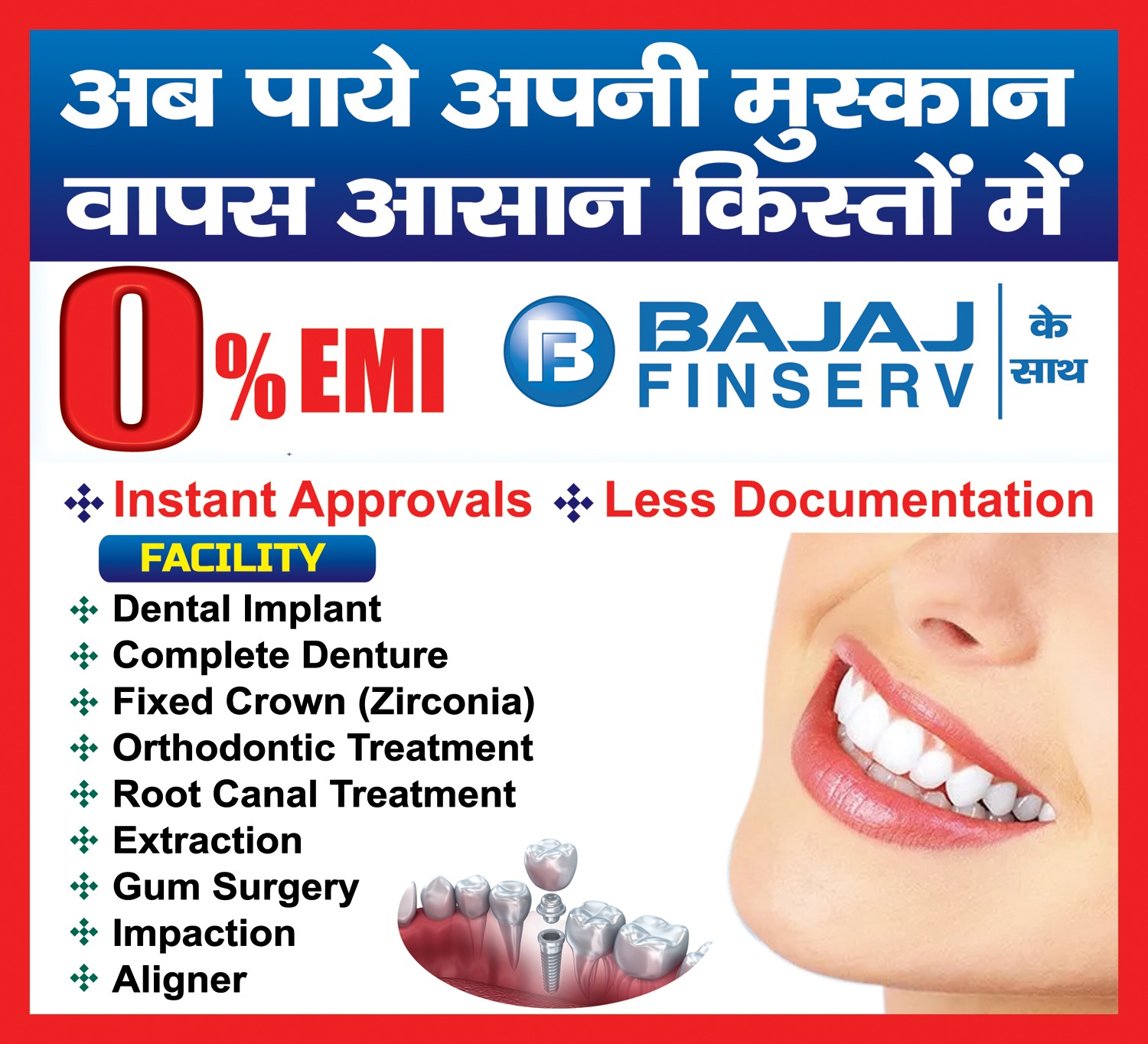
Importance of Replacing Missing Teeth: Protect Your Smile and Oral Health

Missing teeth are more than just a cosmetic concern. Whether a tooth is lost due to decay, gum disease, trauma, or extraction, leaving the space untreated can lead to several oral health problems over time. Replacing missing teeth not only restores your smile but also protects your overall dental health and quality of life.

At Sharda Dental Care, Bhagalpur, we believe that every missing tooth should be evaluated and replaced whenever possible to maintain proper oral function and facial aesthetics.

Why Do People Lose Teeth?

Common causes of tooth loss include:

  • Severe tooth decay
  • Periodontal (gum) disease
  • Dental trauma or accidents
  • Failed root canal treatment
  • Congenitally missing teeth
  • Age-related dental problems

Regardless of the reason, replacing missing teeth should be considered as soon as possible.


What Happens If Missing Teeth Are Not Replaced?

1. Shifting of Adjacent Teeth

When a tooth is missing, neighboring teeth begin to drift into the empty space. This can lead to:

  • Crooked teeth
  • Bite problems
  • Food trapping
  • Difficulty cleaning

Over time, these changes may require orthodontic treatment to correct.


2. Opposing Teeth Over-Erupt

Teeth in the opposite jaw may start growing into the empty space because they no longer have a tooth to bite against.

This can result in:

  • Bite interference
  • Jaw discomfort
  • Increased risk of tooth fracture

3. Bone Loss in the Jaw

The roots of natural teeth stimulate the jawbone during chewing. Once a tooth is lost, the surrounding bone gradually shrinks.

Consequences include:

  • Reduced bone volume
  • Facial sagging
  • Premature aging appearance
  • Difficulty placing dental implants later

Bone loss can begin within the first few months after tooth extraction.


4. Difficulty Chewing Food

Missing teeth reduce chewing efficiency.

Patients may experience:

  • Difficulty eating hard foods
  • Preference for soft foods
  • Poor digestion due to inadequate chewing
  • Nutritional deficiencies

A complete set of teeth helps maintain proper nutrition and overall health.


5. Speech Problems

Teeth play an important role in pronunciation.

Missing teeth, especially front teeth, can cause:

  • Lisping
  • Slurred speech
  • Difficulty pronouncing certain sounds

Replacing teeth helps restore normal speech patterns.


6. Increased Risk of Gum Disease and Decay

Spaces created by missing teeth can trap food particles and plaque.

This may lead to:

  • Gum inflammation
  • Cavities in neighboring teeth
  • Bad breath
  • Further tooth loss

7. Changes in Facial Appearance

Missing teeth can affect facial support.

Signs include:

  • Sunken cheeks
  • Wrinkled appearance
  • Reduced facial height
  • Older-looking appearance

Replacing missing teeth helps maintain a youthful facial profile.


8. Reduced Self-Confidence

A missing tooth can affect:

  • Smiling
  • Social interactions
  • Professional confidence
  • Psychological well-being

Many patients report improved confidence after tooth replacement.


Options for Replacing Missing Teeth

1. Dental Implants

Dental Implant

Dental implants are considered the gold standard for replacing missing teeth.

Advantages:

  • Look and feel like natural teeth
  • Preserve jawbone
  • Long-lasting solution
  • Do not affect adjacent teeth
  • Excellent chewing efficiency

Best suited for single or multiple missing teeth.


2. Fixed Dental Bridge

A dental bridge replaces missing teeth by utilizing adjacent teeth for support.

Advantages:

  • Fixed solution
  • Faster treatment
  • Good aesthetics
  • Restores chewing function

3. Removable Partial Denture

Partial dentures can replace one or several missing teeth.

Advantages:

  • Economical option
  • Easy to fabricate
  • Suitable for multiple missing teeth

4. Complete Dentures

For patients who have lost all teeth, complete dentures restore function and appearance.

Benefits include:

  • Improved chewing
  • Better speech
  • Enhanced facial support

Why Early Replacement Is Important

The longer a missing tooth remains untreated:

  • More bone is lost
  • Teeth continue to shift
  • Bite problems worsen
  • Treatment becomes more complex

Early replacement often results in simpler and more predictable treatment outcomes.


Benefits of Replacing Missing Teeth

✅ Restores chewing ability

✅ Improves speech

✅ Maintains facial appearance

✅ Prevents bone loss

✅ Prevents teeth from shifting

✅ Improves confidence and smile aesthetics

✅ Enhances overall oral health


Why Choose Sharda Dental Care, Bhagalpur?

At Sharda Dental Care, we provide comprehensive solutions for replacing missing teeth, including:

  • Dental Implants
  • Fixed Bridges
  • Partial Dentures
  • Complete Dentures
  • Implant-Supported Prostheses

Our advanced technology and patient-centered approach ensure comfortable and long-lasting treatment outcomes.

Contact Us

Sharda Dental Care
Raja S N Road, Masakchak, Bhagalpur, Bihar
📞 9631055135
🌐 www.shardadentalcare.org
🕙 Monday to Sunday: 10:00 AM – 7:00 PM


Conclusion

Replacing missing teeth is not merely about improving appearance—it is essential for maintaining oral health, preserving jawbone, ensuring proper chewing and speech, and preventing future dental complications. If you have one or more missing teeth, consult your dentist early to explore the best treatment option for restoring your smile and confidence.

Children Dental

Deciduous Teeth: Why Baby Teeth Are Important for Permanent Teeth

Deciduous Teeth: The Foundation of a Healthy Permanent Smile

Many parents believe that baby teeth are not important because they eventually fall out. However, deciduous teeth (primary teeth or milk teeth) play a crucial role in a child’s oral development. They not only help children chew and speak properly but also act as natural space maintainers, ensuring that permanent teeth erupt in their correct positions.

At Sharda Dental Care, Bhagalpur, we emphasize the importance of maintaining healthy deciduous teeth to prevent future orthodontic and dental problems.


What Are Deciduous Teeth?

Deciduous teeth, commonly known as baby teeth or milk teeth, are the first set of teeth that develop in children.

Facts About Deciduous Teeth

  • Total number: 20 teeth
  • Eruption begins around 6 months of age
  • Complete set usually present by 2½–3 years
  • Start shedding around 6 years
  • Most are replaced by permanent teeth by 12–13 years

Types of Deciduous Teeth

  • 8 Incisors
  • 4 Canines
  • 8 Molars

Unlike permanent dentition, primary teeth do not have premolars.


Why Are Deciduous Teeth Important?

1. Maintaining Space for Permanent Teeth

One of the most important functions of deciduous teeth is to preserve the space required for permanent teeth.

Each baby tooth acts as a guide for the permanent tooth developing underneath it. If a deciduous tooth is lost too early due to decay or trauma, neighboring teeth may drift into the empty space.

This can lead to:

  • Crowding
  • Misalignment
  • Impacted teeth
  • Orthodontic problems
  • Need for braces in the future

How Baby Teeth Guide Permanent Teeth

During childhood, permanent teeth develop within the jaw beneath the primary teeth.

When the time comes:

  1. The roots of deciduous teeth gradually dissolve.
  2. The baby tooth becomes loose.
  3. It falls out naturally.
  4. The permanent tooth erupts into the preserved space.

This natural process ensures proper alignment and healthy occlusion.


Space Maintenance: Why Early Tooth Loss Is a Problem

When a baby tooth is lost prematurely:

  • Adjacent teeth tilt toward the empty space.
  • The available space becomes reduced.
  • Permanent teeth may erupt in the wrong position.
  • Orthodontic treatment may become necessary.
Common Causes of Early Tooth Loss
  • Dental caries (tooth decay)
  • Trauma or injury
  • Severe infection
  • Gum disease
  • Developmental abnormalities

What Is a Space Maintainer?

A space maintainer is a dental appliance used when a deciduous tooth is lost prematurely.

Its purpose is to:

  • Preserve the space for the permanent tooth
  • Prevent neighboring teeth from shifting
  • Reduce future orthodontic complications

A pediatric dentist may recommend a space maintainer depending on the child’s age and the tooth lost.


Additional Functions of Deciduous Teeth
Proper Chewing and Nutrition

Healthy baby teeth help children:

  • Bite food effectively
  • Chew properly
  • Maintain balanced nutrition
  • Support healthy growth

Children with painful decayed teeth often avoid nutritious foods.


Speech Development

Deciduous teeth play an important role in pronunciation.

They help children produce sounds correctly and contribute to normal speech development.

Premature tooth loss may affect speech clarity.


Jaw Growth and Facial Development

Primary teeth stimulate:

  • Proper jawbone development
  • Normal facial growth
  • Balanced dental arches

This creates adequate room for permanent teeth.


Self-Confidence and Appearance

Healthy teeth contribute to:

  • Attractive smiles
  • Better self-esteem
  • Social confidence

Children with visible decay or missing teeth may feel embarrassed.


Signs That a Child Needs a Dental Visit

Parents should schedule a dental examination if they notice:

  • Tooth decay or cavities
  • Tooth pain
  • Swelling around teeth
  • Early tooth loss
  • Delayed eruption
  • Crowded teeth
  • Difficulty chewing

Early intervention can prevent long-term complications.


Tips to Keep Deciduous Teeth Healthy
Start Oral Hygiene Early
  • Clean gums before tooth eruption.
  • Begin brushing as soon as the first tooth appears.
Use Fluoride Toothpaste
  • Use age-appropriate fluoride toothpaste.
  • Follow your dentist’s recommendations.
Limit Sugary Foods and Drinks

Reduce:

  • Chocolates
  • Sticky candies
  • Soft drinks
  • Frequent snacking
Regular Dental Check-ups

Visit the dentist every six months for:

  • Examination
  • Preventive care
  • Fluoride application
  • Early detection of problems
Avoid Bottle Feeding at Night

Night-time bottle feeding increases the risk of Early Childhood Caries.


When Should Children First Visit the Dentist?

The first dental visit should occur:

By the child’s first birthday or within six months of the eruption of the first tooth, whichever comes first.

Early dental visits help establish healthy oral habits and prevent dental problems.


Frequently Asked Questions (FAQs)

Do baby teeth really matter if they fall out?

Yes. Baby teeth maintain space, guide permanent teeth, aid speech, chewing, and jaw development.

What happens if a baby tooth is removed too early?

Neighboring teeth may drift into the space, causing crowding and misalignment of permanent teeth.

Can cavities in baby teeth affect permanent teeth?

Yes. Untreated infections can damage developing permanent teeth and affect their eruption.

Is a space maintainer always required?

Not always. Your dentist will assess the child’s age, tooth involved, and eruption pattern before recommending one.

At what age do children start losing baby teeth?

Most children begin losing deciduous teeth around 6 years of age.


Conclusion

Deciduous teeth are much more than temporary teeth. They are essential space maintainers that guide permanent teeth into their correct positions, support chewing, speech, facial growth, and overall oral health. Protecting baby teeth through good oral hygiene and regular dental visits can significantly reduce future dental and orthodontic problems.

At Sharda Dental Care, we believe that healthy baby teeth lay the foundation for a lifetime of healthy smiles.


Contact Sharda Dental Care

Sharda Dental Care – Perio Care & Implant Center
📍 Raja S N Road, Masakchak, Bhagalpur, Bihar
📞 9631055135
🌐 www.shardadentalcare.org

Dental Uncategorized

🥦🥕🦷 The Role of Nutrition in Maintaining Healthy Gums and Preventing Periodontal Disease 🦷🥕🥦

🥦🥕🦷 The Role of Nutrition in Maintaining Healthy Gums and Preventing Periodontal Disease 🦷🥕🥦

Did you know that what you eat can significantly impact the health of your gums? Poor nutrition can lead to gum problems, while a balanced diet can help maintain healthy gums and prevent periodontal disease. Let’s explore the role of nutrition in promoting optimal gum health!

1️⃣ Nutrients for Gum Health:
✅ Vitamin C: This powerful antioxidant helps prevent gum inflammation and supports the formation of healthy gum tissue. Citrus fruits, strawberries, bell peppers, and broccoli are excellent sources.
✅ Vitamin D: Adequate vitamin D levels are crucial for gum health, as it helps reduce inflammation and supports the absorption of calcium, necessary for strong teeth and bones. Fatty fish, egg yolks, and fortified dairy products are good sources.
✅ Calcium: This mineral is essential for maintaining strong teeth and jawbones. Incorporate dairy products, leafy greens, almonds, and fortified plant-based milk into your diet.
✅ Omega-3 Fatty Acids: Found in fatty fish, flaxseeds, and walnuts, omega-3s have anti-inflammatory properties that can help reduce gum inflammation and prevent gum disease.

2️⃣ Foods to Limit or Avoid:
❌ Sugary and Acidic Foods: These can contribute to tooth decay and gum disease. Limit your intake of sugary snacks, sodas, and acidic fruits to protect your gum health.
❌ Refined Carbohydrates: Foods like white bread, pasta, and chips can lead to inflammation and gum disease. Instead, choose whole grains for better oral health.

3️⃣ Hydration:
Staying hydrated is vital for gum health. Drinking plenty of water helps wash away food particles and maintains saliva production, which helps neutralize harmful acids in the mouth.

4️⃣ Good Oral Hygiene Practices:
While nutrition plays a significant role, it’s important to remember that maintaining good oral hygiene habits is essential for healthy gums. Brush your teeth twice a day, floss daily, and visit your dentist regularly for check-ups and professional cleanings.

Tips for a Gum-Friendly Diet

✅ Eat fresh fruits and vegetables daily
✅ Include dairy products or calcium-rich alternatives
✅ Consume protein-rich foods regularly
✅ Limit sugary foods and drinks
✅ Stay hydrated throughout the day
✅ Avoid tobacco in all forms

Conclusion

Good nutrition is a powerful tool in maintaining healthy gums and preventing periodontal disease. A balanced diet combined with regular brushing, flossing, and professional dental check-ups can help ensure a healthy smile for life.

Remember: Healthy eating habits today can protect your gums and teeth for years to come.


Dr. Shubhankar Kumar Singh
Periodontist & Implantologist
Sharda Dental Care
Masakchak, Bhagalpur, Bihar
📞 9631055135

#GumHealth #OralHealth #NutritionForGums #PeriodontalDiseasePrevention

Dental

Importance of Routine Dental Checkups for a Healthy and Confident Smile


Importance of Routine Dental Checkups for a Healthy and Confident Smile

By Sharda Dental Care, Bhagalpur

A healthy smile is not just about looking good—it’s a reflection of your overall health. Regular dental checkups play a vital role in maintaining your oral hygiene and preventing dental problems before they become serious. At Sharda Dental Care, Bhagalpur, we emphasize the importance of routine dental visits to keep your teeth and gums in top shape.

1. Early Detection of Dental Problems

Many dental issues like cavities, gum disease, and oral cancer begin painlessly. Regular dental checkups help detect these problems in their early stages—when treatment is easier, less invasive, and more affordable. Your dentist can identify hidden issues using X-rays, clinical exams, and preventive screenings, ensuring you stay one step ahead of oral disease.

2. Prevention is Better (and Cheaper) than Cure

Skipping routine visits often leads to costly treatments later. Simple preventive measures like professional cleaning, fluoride application, and sealants can save your teeth—and your wallet—from complex procedures like root canals or extractions.

3. Professional Cleaning for a Brighter Smile

Even with daily brushing and flossing, plaque and tartar build up over time. Dental cleaning removes these deposits, preventing bad breath, tooth decay, and gum inflammation. Plus, it gives your smile that fresh, polished look.

4. Gum Health and General Wellness

Your gums are the foundation of your teeth. Regular checkups allow dentists to detect early signs of gingivitis or periodontitis, preventing tooth loss. Studies also show that gum disease is linked to heart disease, diabetes, and low birth weight—so maintaining gum health benefits your whole body.

5. Guidance on Oral Hygiene and Diet

Routine visits aren’t just about cleaning—they’re educational. Your dentist can recommend:

  • Correct brushing and flossing techniques
  • Dental-friendly foods
  • Tips to manage sensitivity, stains, or bad breath

At Sharda Dental Care, we personalize advice for each patient to help maintain long-term oral wellness.

6. Building Confidence and Trust

Regular visits help reduce dental anxiety. Familiarity with your dentist builds comfort and trust, making each visit a positive experience—especially for children and first-time patients.

Conclusion

A routine dental checkup every six months can make a world of difference in your oral health. It’s a small investment that brings lifelong benefits—strong teeth, healthy gums, and a confident smile.

At Sharda Dental Care, Bhagalpur, we provide comprehensive preventive care for your entire family, ensuring your smile stays healthy and bright.

📞 Book Your Dental Checkup Today!

Visit Sharda Dental Care, Raja S. N. Road, Masakchak, Bhagalpur.
🕙 Timings: Monday–Sunday, 10 AM – 7 PM
🌐 www.shardadentalcare.org
📲 Call/WhatsApp: 9631055135

Tags: Dental checkup, oral health, preventive dentistry, Sharda Dental Care, Bhagalpur dentist, smile care,Routine Dental Checkups, Importance of Dental Checkups, Preventive Dentistry, Oral Health Care, Dental Examination, Professional Teeth Cleaning, Healthy Smile, Dental Care Tips, Early Detection of Dental Problems, Best Dental Clinic Bhagalpur, Sharda Dental Care Bhagalpur, Family Dental Care, Regular Dental Visits, Oral Hygiene Maintenance, Confident Smile


Dental Health

The Safety of Pregnancy Extraction: Debunking Misconceptions प्रेग्नेंसी में दांत निकलवाना कितना सुरक्षित है? — मिथक बनाम सच्चाई


Safe Tooth Extraction During Pregnancy – Myths vs Facts | Sharda Dental Care Bhagalpur


The Safety of Pregnancy Extraction: Debunking Misconceptions

Sharda Dental Care — Raja S.N. Road, Masakchak, Bhagalpur

Pregnancy is a special time but it also brings many questions about dental care. One common worry is: “Is it safe to extract a tooth during pregnancy?” The answer: Yes — when necessary and performed with proper precautions.

When is dental treatment safest?

  • First trimester: Major organ development — elective procedures are best postponed.
  • Second trimester (13–28 weeks): Generally the safest window for most dental treatments, including extractions.
  • Third trimester: Avoid prolonged appointments; use short, comfortable sessions.

Local anesthesia and medications

Local anesthesia such as lidocaine (with minimal adrenaline), when administered correctly, is considered safe in pregnancy. Certain antibiotics and pain relievers (for example, amoxicillin and paracetamol) are also safe when prescribed by a clinician. Self-medication is strongly discouraged.

Why prompt treatment matters

Untreated dental infections can pose greater risks to both mother and baby — including increased risk of preterm birth and low birth weight. Therefore, do not ignore dental pain or swelling during pregnancy.

How we ensure safety at Sharda Dental Care

  • Coordinate with your gynecologist before treatment.
  • Use digital X-rays only when necessary with lead apron and thyroid shield.
  • Short, stress-free appointments to reduce fatigue and discomfort.
  • Pain-free modern techniques and laser dentistry when appropriate.
  • Strict sterilization and infection-control protocols.

Practical oral care tips during pregnancy

  • Brush twice daily with a soft-bristle toothbrush and fluoride toothpaste.
  • Rinse after vomiting to protect teeth from stomach acid.
  • Eat a balanced diet rich in calcium and vitamins.
  • Stay hydrated to avoid dry mouth.
  • Schedule a dental check-up every trimester or as advised.

Note: This article provides general information. Individual care decisions should be made with your dentist and obstetrician.

Sharda Dental Care — Dental Implants & Laser Dentistry
Raja S.N. Road, Masakchak, Bhagalpur, Bihar | Mon–Sun: 10 AM – 7 PM


Safe Pregnancy Tooth Extraction – A4 Print


Safe Tooth Extraction During Pregnancy — Myths vs Facts

Sharda Dental Care, Raja S.N. Road, Masakchak, Bhagalpur

Safe • Evidence-based

When is it safest?

  • First trimester: postpone elective procedures when possible.
  • Second trimester: generally the safest window (13–28 weeks).
  • Third trimester: keep appointments short and comfortable.

Anesthesia & Medications

Lidocaine with minimal adrenaline is safe when used correctly. Certain antibiotics (e.g., amoxicillin) and paracetamol are acceptable under professional guidance. Avoid self-medication.

Why timely care matters

Untreated dental infections can increase risks like preterm birth and low birth weight. Seek treatment promptly for pain, swelling or signs of infection.

Our safety measures

  • Coordination with your obstetrician.
  • Digital X-rays only when required, using lead apron and thyroid shield.
  • Short, stress-free appointments and modern pain-free techniques.
  • Strict infection control and sterilization procedures.


प्रेग्नेंसी में दांत निकलवाना सुरक्षित है या नहीं | शारदा डेंटल केयर भागलपुर


प्रेग्नेंसी में दांत निकलवाना कितना सुरक्षित है? — मिथक बनाम सच्चाई

शारदा डेंटल केयर, राजा एस.एन. रोड, मसकचक, भागलपुर

गर्भावस्था के दौरान दांतों की समस्या होने पर कई बार मरीज डरते हैं। पर सही समय और सावधानियों के साथ दंत उपचार — जिसमें दांत निकालना भी शामिल है — सुरक्षित होते हैं।

कब सुरक्षित है?

  • पहली तिमाही: अंग निर्माण का समय — elective उपचार टालें।
  • दूसरी तिमाही (13–28 सप्ताह): सामान्यतः सबसे सुरक्षित समय।
  • तीसरी तिमाही: लंबे उपचार से बचें; छोटी और आरामदायक सत्र रखें।

लोकल एनेस्थीसिया और दवाइयाँ

सही मात्रा में दिया गया लोकल एनेस्थीसिया (जैसे Lidocaine न्यूनतम एड्रेनालिन के साथ) सुरक्षित है। कुछ एंटीबायोटिक्स और पेनकिलर (उदा. Amoxicillin, Paracetamol) डॉक्टर की सलाह पर लिए जा सकते हैं। स्वयं दवा न लें।

क्यों तुरंत इलाज ज़रूरी है?

अनचाहा संक्रमण मां और शिशु दोनों के लिए जोखिम बढ़ा सकता है — उदाहरण के लिए समय से पहले जन्म या कम वजन। इसलिए दर्द/सूजन होने पर देर न करें।

हमारी सुविधाएँ (शारदा डेंटल केयर)

  • गायनकोलॉजिस्ट के साथ समन्वय
  • आवश्यक होने पर डिजिटल एक्स-रे + लीड एप्रन
  • छोटी, कम-तनाव वाली अपॉइंटमेंट
  • लेज़र और आधुनिक पेन-रहित तकनीक
  • पूर्ण स्टरलाइज़ेशन और सुरक्षा प्रोटोकॉल

प्रेग्नेंसी में दांतों की देखभाल के सुझाव

  • रोज़ दो बार सॉफ्ट ब्रिसल से ब्रश करें
  • उल्टी के बाद पानी से कुल्ला करें
  • संतुलित आहार और पर्याप्त पानी लें
  • तीन महीने में एक बार चेक-अप कराएँ

शारदा डेंटल केयर — डेंटल इम्प्लांट्स और लेज़र डेंटिस्ट्री
राजा एस.एन. रोड, मसकचक, भागलपुर, बिहार


प्रेग्नेंसी में दांत निकालना – प्रिंट A4


प्रेग्नेंसी में दांत निकलवाना — मिथक बनाम सच्चाई

शारदा डेंटल केयर, राजा एस.एन. रोड, मसकचक, भागलपुर

सुरक्षित और प्रमाणिक

कब सुरक्षित है?

  • पहली तिमाही: elective उपचार टालें।
  • दूसरी तिमाही: सामान्यतः सबसे सुरक्षित।
  • तीसरी तिमाही: छोटी सत्र रखें, लंबी लेटने से बचें।

दवाइयाँ और anesthesia

सही मात्रा में Lidocaine (कम एड्रेनालिन) सुरक्षित है। कुछ एंटीबायोटिक्स और Paracetamol डॉक्टर की सलाह पर दिए जा सकते हैं। स्वयं दवा न लें।

क्यों तुरंत उपचार जरूरी?

अनिच्छित संक्रमण समय से पहले प्रसव और कम जन्म-भार का जोखिम बढ़ा सकता है। इसलिए दर्द/सूजन होने पर चिकित्सक से मिलें।

हमारी विशेषताएँ

  • गायनकोलॉजिस्ट के साथ समन्वय
  • डिजिटल एक्स-रे केवल आवश्यकता पर
  • छोटी और आरामदायक अपॉइंटमेंट
  • लेज़र और पेन-रहित तकनीक


Dental Oral Uncategorized

🏥💖 Visiting the Dentist: A Cardiac Patient’s Perspective 💖🏥


Visiting the Dentist with Heart Disease – Safe Dental Care for Cardiac Patients | Sharda Dental Care Bhagalpur


Visiting the Dentist: A Cardiac Patient’s Perspective 💖

Published by Sharda Dental Care — Raja S.N. Road, Masakchak, Bhagalpur

Why this matters: Oral health and heart health are connected. If you have heart disease, careful dental care keeps your smile safe — and your heart protected.

Dental Health and Heart Health: The Hidden Connection

Gum disease, chronic mouth infections and inflammation can affect overall health and may increase the risk of bacterial endocarditis or worsen existing cardiac conditions. Timely dental care, excellent oral hygiene, and clear communication between your dentist and cardiologist make dental treatment safe for cardiac patients.

The Cardiac Patient’s Concerns

Many cardiac patients ask:

  • “Will the procedure raise my blood pressure?”
  • “Is local anesthesia safe for me?”
  • “Could a dental infection affect my heart?”

At Sharda Dental Care, we address these concerns by taking extra precautions and coordinating closely with your medical team.

Before Your Dental Appointment

  • Inform your dentist about your full medical history, current medications, and recent cardiac procedures.
  • Bring medical records such as ECG reports, medication lists, and cardiologist notes when possible.
  • Do not stop heart medications (including blood thinners) unless your cardiologist advises otherwise.
  • Discuss antibiotic prophylaxis if you have a prosthetic valve, prior endocarditis, or other high-risk conditions.

During Dental Treatment

Common safety steps we follow:

  • Monitor blood pressure and pulse before and during treatment.
  • Keep appointments shorter and less stressful.
  • Use local anesthetics with minimal adrenaline where appropriate.
  • Prefer minimally invasive and pain-reducing techniques, including laser dentistry when suitable.
  • Coordinate with your cardiologist when needed for complex cases.

After the Procedure

  • Continue your heart medications as prescribed.
  • Take antibiotics or pain medication only if prescribed by the dentist.
  • Report unexpected symptoms such as chest pain, breathlessness or prolonged bleeding immediately.
  • Maintain excellent oral hygiene to reduce infection risk.

Preventive Dental Tips for Heart Patients

  • Brush twice daily with a soft-bristle toothbrush.
  • Floss gently and regularly to keep gums healthy.
  • Avoid tobacco and excessive alcohol.
  • Schedule dental check-ups at least every 6 months (or as recommended).
  • Manage stress — it benefits both heart and oral health.

A Message from Sharda Dental Care

We are committed to providing safe, compassionate, and customised dental care for cardiac patients. Whether it’s a routine cleaning or a more complex procedure, your safety is our priority.

Frequently Asked Questions

Do I need antibiotics before every dental procedure?

Not always. Antibiotic prophylaxis is recommended for specific high-risk cardiac conditions (for example, certain prosthetic heart valves or a history of infective endocarditis). Discuss your individual risk with both your dentist and cardiologist.

Is local anesthesia safe if I have heart disease?

Most local anesthetics are safe when used correctly. We may use formulations with less adrenaline and monitor you closely during treatment.

Should I stop blood thinners before dental treatment?

Do not stop blood-thinning medications without consulting your cardiologist. In many cases, simple dental procedures are safe while continuing medication; sometimes minor adjustments are needed under medical supervision.

Sharda Dental Care — Dental Implants & Laser Dentistry
Raja S.N. Road, Masakchak, Bhagalpur, Bihar
Clinic Timings: Monday–Sunday | 10 AM – 7 PM


Dental

Proper Brushing and Flossing Techniques for Better Oral Health


Proper Brushing and Flossing Techniques for Better Oral Health | Sharda Dental Care Bhagalpur


Proper Brushing and Flossing Techniques for Better Oral Health

Good oral hygiene starts with correct brushing and flossing. Even patients who brush twice daily may still develop plaque, tartar, or gum inflammation if their technique is wrong. This guide explains step-by-step methods to brush and floss effectively, common mistakes to avoid, and how to combine home care with regular dental visits for long-term dental health.

1. Choose the Right Tools

Toothbrush: Use a soft-bristled brush. Replace every 3–4 months or when bristles fray. Electric toothbrushes are helpful for many patients.

Toothpaste: Choose a fluoride toothpaste to help prevent cavities.

Floss: Standard dental floss (waxed/unwaxed), floss picks, interdental brushes, or water flossers — pick what you can use consistently.

2. Correct Brushing Technique (Step-by-Step)

  1. Place the toothbrush at a 45° angle to the gum line so the bristles reach both tooth surface and gingival margin.
  2. Use gentle circular or short back-and-forth strokes. Avoid aggressive horizontal scrubbing that wears enamel and irritates gums.
  3. Brush all surfaces: outer, inner, and chewing surfaces of each tooth.
  4. Spend at least two minutes total. Many people find timers or electric toothbrushes with built-in timers helpful.
  5. Brush your tongue gently to remove bacteria and reduce bad breath.

3. Common Brushing Mistakes to Avoid

  • Brushing too hard — causes gum recession and enamel abrasion.
  • Using a hard-bristled brush.
  • Rushing — brushing less than two minutes.
  • Neglecting inner tooth surfaces and the tongue.

4. Correct Flossing Technique (Step-by-Step)

  1. Use about 18 inches (45 cm) of floss and wind most of it around your middle fingers, leaving 1–2 inches to work with.
  2. Hold floss taut between thumbs and index fingers and gently slide it between teeth.
  3. Form a C-shape around the side of each tooth and move the floss up and down under the gumline. Repeat for both sides of each contact.
  4. Use a fresh section of floss for each tooth to avoid transferring plaque.

Tip: If traditional floss is difficult, try floss picks, interdental brushes, or a water flosser — they can be more comfortable and improve compliance.

5. How Often to Brush & Floss

Brush: Twice daily — morning and before bed.
Floss: At least once a day, preferably at night before brushing.

6. When to See a Dentist

Even with perfect home care, some plaque calcifies into tartar which only a dentist/hygienist can remove. Schedule professional cleanings and checkups every 6 months or as advised by your dentist. If you notice bleeding gums, persistent bad breath, tooth pain, or sensitivity, book an appointment sooner.

Make Oral Hygiene a Daily Habit

Proper brushing and flossing protect your teeth, prevent gum disease, and keep your smile confident. Combine good home care with regular professional visits for the best results.

Book with Sharda Dental Care, Bhagalpur
Raja S. N. Road, Masakchak, Bhagalpur
🕙 Monday–Sunday: 10 AM – 7 PM
🌐 www.shardadentalcare.org
📲 Call/WhatsApp: 9631055135
Check our Google Business Profile & Reviews

FAQ — Quick Answers

Q: Is it OK to brush after every meal?
A: Brushing after meals can be fine, but wait 20–30 minutes after acidic foods/drinks to avoid softening enamel and causing abrasion.

Q: Does flossing cause gum bleeding?
A: New flosser users may see minor bleeding for a short time. If bleeding persists beyond a week of daily flossing, consult your dentist — it may indicate gum disease.

Tags: Oral hygiene, brushing tips, flossing guide, Sharda Dental Care, Bhagalpur dentist

Want this post in Hindi too? Reply “Hindi version” and I’ll prepare a bilingual post ready for WordPress.


Uncategorized

Importance of Routine Dental Checkups for a Healthy and Confident Smile


Importance of Routine Dental Checkups for a Healthy and Confident Smile | Sharda Dental Care Bhagalpur

Importance of Routine Dental Checkups for a Healthy and Confident Smile

By Sharda Dental Care, Bhagalpur

A healthy smile is not just about looking good—it’s a reflection of your overall health. Regular dental checkups play a vital role in maintaining your oral hygiene and preventing dental problems before they become serious. At Sharda Dental Care, Bhagalpur, we emphasize the importance of routine dental visits to keep your teeth and gums in top shape.

1. Early Detection of Dental Problems

Many dental issues like cavities, gum disease, and oral cancer begin painlessly. Regular dental checkups help detect these problems in their early stages—when treatment is easier, less invasive, and more affordable. Your dentist can identify hidden issues using X-rays, clinical exams, and preventive screenings, ensuring you stay one step ahead of oral disease.

2. Prevention is Better (and Cheaper) than Cure

Skipping routine visits often leads to costly treatments later. Simple preventive measures like professional cleaning, fluoride application, and sealants can save your teeth—and your wallet—from complex procedures like root canals or extractions.

3. Professional Cleaning for a Brighter Smile

Even with daily brushing and flossing, plaque and tartar build up over time. Dental cleaning removes these deposits, preventing bad breath, tooth decay, and gum inflammation. Plus, it gives your smile that fresh, polished look.

4. Gum Health and General Wellness

Your gums are the foundation of your teeth. Regular checkups allow dentists to detect early signs of gingivitis or periodontitis, preventing tooth loss. Studies also show that gum disease is linked to heart disease, diabetes, and low birth weight—so maintaining gum health benefits your whole body.

5. Guidance on Oral Hygiene and Diet

Routine visits aren’t just about cleaning—they’re educational. Your dentist can recommend:

  • Correct brushing and flossing techniques
  • Dental-friendly foods
  • Tips to manage sensitivity, stains, or bad breath

At Sharda Dental Care, we personalize advice for each patient to help maintain long-term oral wellness.

6. Building Confidence and Trust

Regular visits help reduce dental anxiety. Familiarity with your dentist builds comfort and trust, making each visit a positive experience—especially for children and first-time patients.

Conclusion

A routine dental checkup every six months can make a world of difference in your oral health. It’s a small investment that brings lifelong benefits—strong teeth, healthy gums, and a confident smile.

At Sharda Dental Care, Bhagalpur, we provide comprehensive preventive care for your entire family, ensuring your smile stays healthy and bright.

📞 Book Your Dental Checkup Today!

Visit Sharda Dental Care, Raja S. N. Road, Masakchak, Bhagalpur.
🕙 Timings: Monday–Sunday, 10 AM – 7 PM
🌐 www.shardadentalcare.org
📲 Call/WhatsApp: 9631055135

Click here to check our Google Business Profile, view reviews, and get directions!

Tags: Dental checkup, oral health, preventive dentistry, Sharda Dental Care, Bhagalpur dentist, smile care