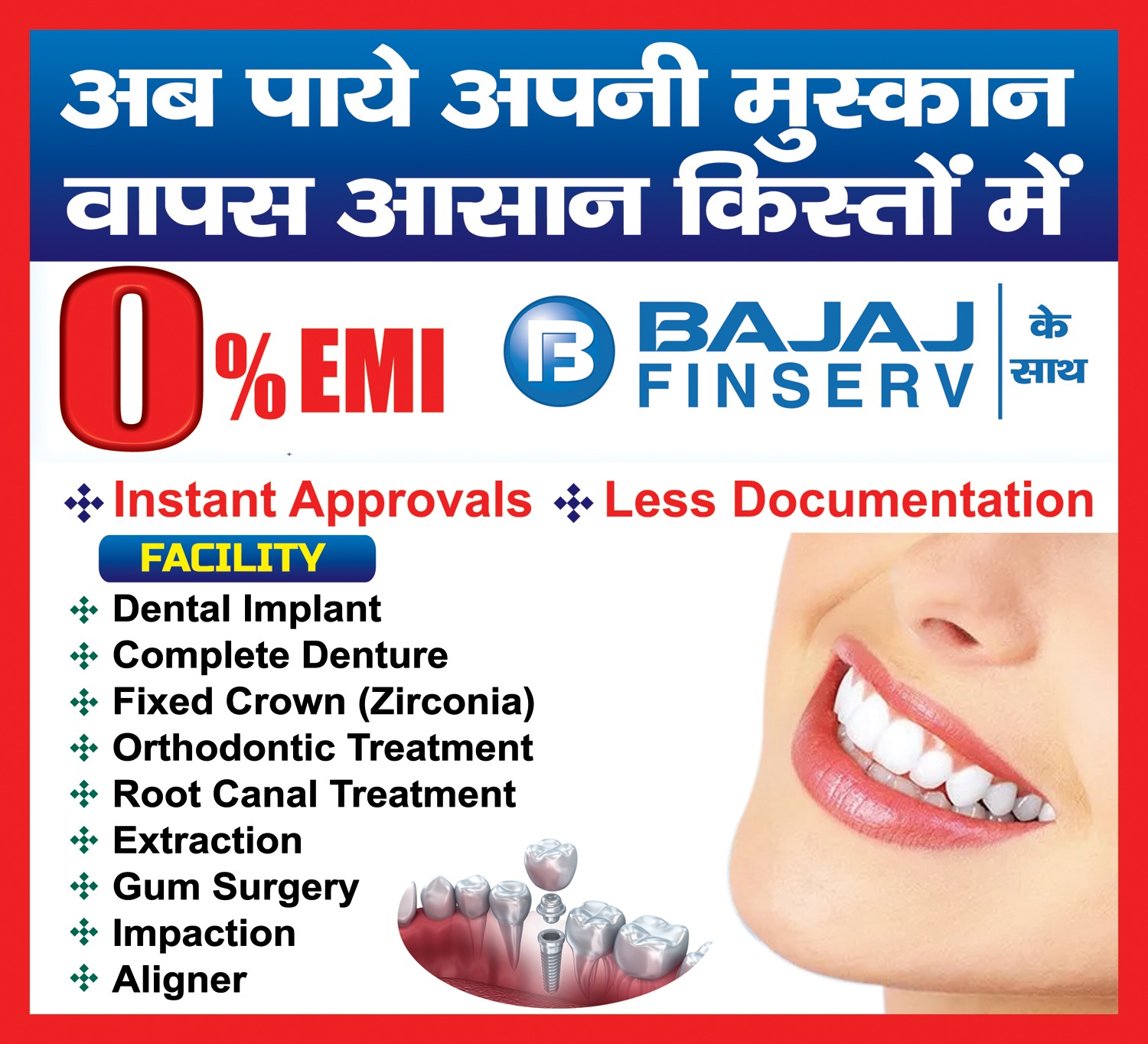

Missing teeth are more than just a cosmetic concern. Whether a tooth is lost due to decay, gum disease, trauma, or extraction, leaving the space untreated can lead to several oral health problems over time. Replacing missing teeth not only restores your smile but also protects your overall dental health and quality of life.
At Sharda Dental Care, Bhagalpur, we believe that every missing tooth should be evaluated and replaced whenever possible to maintain proper oral function and facial aesthetics.
Why Do People Lose Teeth?
Common causes of tooth loss include:
- Severe tooth decay
- Periodontal (gum) disease
- Dental trauma or accidents
- Failed root canal treatment
- Congenitally missing teeth
- Age-related dental problems
Regardless of the reason, replacing missing teeth should be considered as soon as possible.
What Happens If Missing Teeth Are Not Replaced?
1. Shifting of Adjacent Teeth
When a tooth is missing, neighboring teeth begin to drift into the empty space. This can lead to:
- Crooked teeth
- Bite problems
- Food trapping
- Difficulty cleaning
Over time, these changes may require orthodontic treatment to correct.
2. Opposing Teeth Over-Erupt
Teeth in the opposite jaw may start growing into the empty space because they no longer have a tooth to bite against.
This can result in:
- Bite interference
- Jaw discomfort
- Increased risk of tooth fracture
3. Bone Loss in the Jaw
The roots of natural teeth stimulate the jawbone during chewing. Once a tooth is lost, the surrounding bone gradually shrinks.
Consequences include:
- Reduced bone volume
- Facial sagging
- Premature aging appearance
- Difficulty placing dental implants later
Bone loss can begin within the first few months after tooth extraction.
4. Difficulty Chewing Food
Missing teeth reduce chewing efficiency.
Patients may experience:
- Difficulty eating hard foods
- Preference for soft foods
- Poor digestion due to inadequate chewing
- Nutritional deficiencies
A complete set of teeth helps maintain proper nutrition and overall health.
5. Speech Problems
Teeth play an important role in pronunciation.
Missing teeth, especially front teeth, can cause:
- Lisping
- Slurred speech
- Difficulty pronouncing certain sounds
Replacing teeth helps restore normal speech patterns.
6. Increased Risk of Gum Disease and Decay
Spaces created by missing teeth can trap food particles and plaque.
This may lead to:
- Gum inflammation
- Cavities in neighboring teeth
- Bad breath
- Further tooth loss
7. Changes in Facial Appearance
Missing teeth can affect facial support.
Signs include:
- Sunken cheeks
- Wrinkled appearance
- Reduced facial height
- Older-looking appearance
Replacing missing teeth helps maintain a youthful facial profile.
8. Reduced Self-Confidence
A missing tooth can affect:
- Smiling
- Social interactions
- Professional confidence
- Psychological well-being
Many patients report improved confidence after tooth replacement.
Options for Replacing Missing Teeth
1. Dental Implants
Dental Implant
Dental implants are considered the gold standard for replacing missing teeth.
Advantages:
- Look and feel like natural teeth
- Preserve jawbone
- Long-lasting solution
- Do not affect adjacent teeth
- Excellent chewing efficiency
Best suited for single or multiple missing teeth.
2. Fixed Dental Bridge
A dental bridge replaces missing teeth by utilizing adjacent teeth for support.
Advantages:
- Fixed solution
- Faster treatment
- Good aesthetics
- Restores chewing function
3. Removable Partial Denture
Partial dentures can replace one or several missing teeth.
Advantages:
- Economical option
- Easy to fabricate
- Suitable for multiple missing teeth
4. Complete Dentures
For patients who have lost all teeth, complete dentures restore function and appearance.
Benefits include:
- Improved chewing
- Better speech
- Enhanced facial support
Why Early Replacement Is Important
The longer a missing tooth remains untreated:
- More bone is lost
- Teeth continue to shift
- Bite problems worsen
- Treatment becomes more complex
Early replacement often results in simpler and more predictable treatment outcomes.
Benefits of Replacing Missing Teeth
✅ Restores chewing ability
✅ Improves speech
✅ Maintains facial appearance
✅ Prevents bone loss
✅ Prevents teeth from shifting
✅ Improves confidence and smile aesthetics
✅ Enhances overall oral health
Why Choose Sharda Dental Care, Bhagalpur?
At Sharda Dental Care, we provide comprehensive solutions for replacing missing teeth, including:
- Dental Implants
- Fixed Bridges
- Partial Dentures
- Complete Dentures
- Implant-Supported Prostheses
Our advanced technology and patient-centered approach ensure comfortable and long-lasting treatment outcomes.
Contact Us
Sharda Dental Care
Raja S N Road, Masakchak, Bhagalpur, Bihar
📞 9631055135
🌐 www.shardadentalcare.org
🕙 Monday to Sunday: 10:00 AM – 7:00 PM
Conclusion
Replacing missing teeth is not merely about improving appearance—it is essential for maintaining oral health, preserving jawbone, ensuring proper chewing and speech, and preventing future dental complications. If you have one or more missing teeth, consult your dentist early to explore the best treatment option for restoring your smile and confidence.